NO DOWN PAYMENT · NO INTEREST FOR 12 MONTHS · CHECK IF YOU QUALIFY FOR GOVERNMENT GRANTS
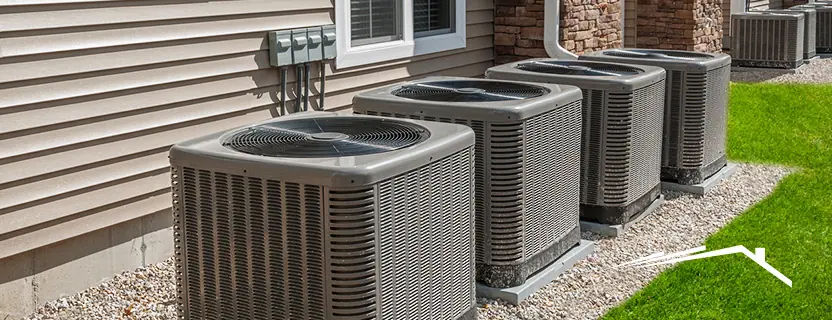
HVAC = Heating, Ventilation, and Air Conditioning
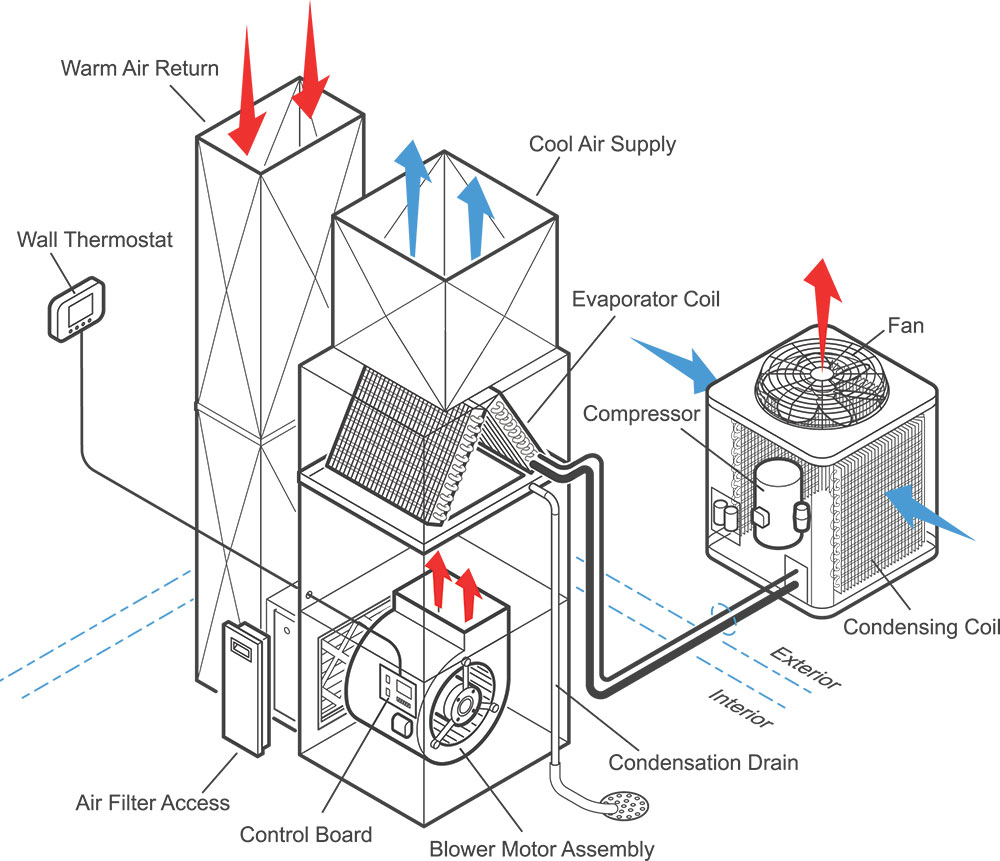
A residential HVAC system is made up of multiple components designed to regulate your indoor temperature, manage airflow, and improve air quality.
Heating
Usually powered by a furnace or heat pump to keep your home warm during cooler months.
Ventilation
Moves and filters the air throughout your home, removing stale air and replacing it with fresh, filtered air.
Air Conditioning
Cools your home by removing heat and humidity, keeping indoor spaces comfortable year-round.
Key Parts Working Together
Every HVAC system has a few key parts working together to keep your home comfortable.
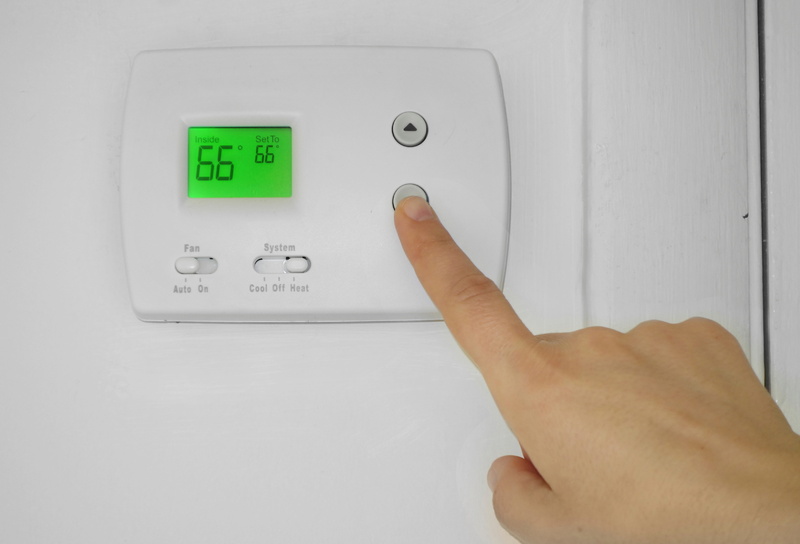
Thermostat
The brain of your system. You set your desired temperature here, and it signals the system to turn on or off.
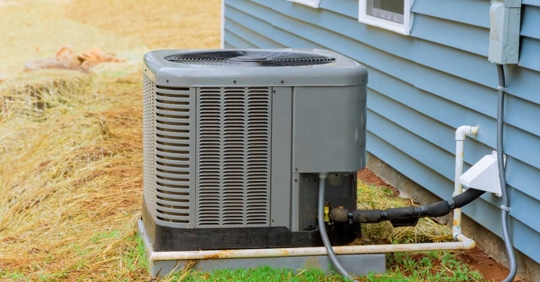
Furnace & Air Conditioner
The furnace provides heat using gas, electricity, or oil. The air conditioner (or heat pump) removes heat from your home and releases it outside. Together, they handle year-round temperature control.
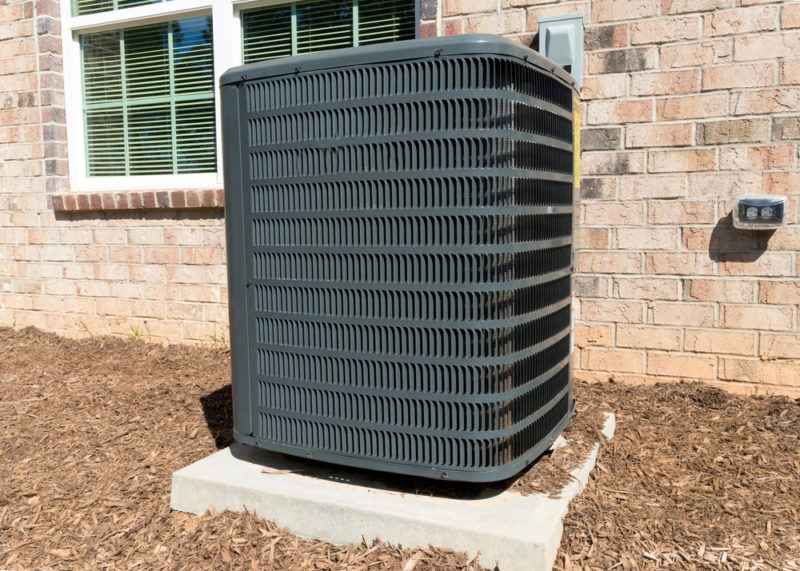
Evaporator & Condenser Coils
The evaporator coil sits inside the indoor unit and absorbs heat from your home's air. The condenser coil is located in the outdoor unit and releases the absorbed heat outside.
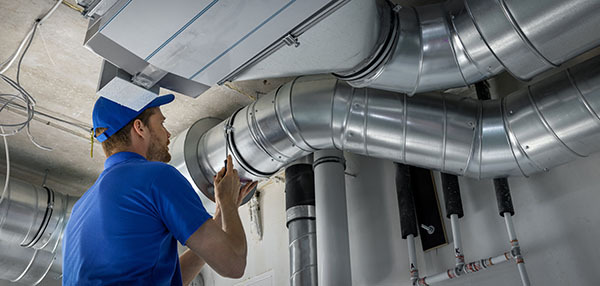
Ductwork, Blower & Filters
The blower motor pushes air through the ductwork, delivering warm or cool air to every room. Air filters capture dust, allergens, and debris to improve air quality. Vents and registers are the visible grilles where air enters and exits your rooms.
The Cooling Cycle (Air Conditioning Mode)
Here's what happens when your thermostat tells the system to cool your home.
Step 1 — Air Intake
Warm indoor air is pulled in through return vents and passes through a filter to trap dust and allergens.
Step 2 — Heat Absorption
Air flows over the evaporator coil containing cold refrigerant. This absorbs the heat, cooling the air.
Step 3 — Heat Release
The warm refrigerant flows to the condenser unit outside, where it releases the heat into the outdoor air.
Step 4 — Distribution
Cooled air is sent through the ducts and back into your home. The process repeats until your desired temperature is reached.
The Heating Cycle (Furnace or Heat Pump Mode)
Furnace Mode
The furnace burns fuel or uses electricity to generate heat. Air is blown over a heat exchanger and distributed through the ducts to warm your home.
Heat Pump Mode
Works like an AC in reverse — extracting heat from outside (even in cold weather) and transferring it inside. One system handles both heating and cooling at lower operating costs.
Ventilation and Air Quality
Ventilation plays a key role in maintaining indoor air quality. It ensures that stale air is removed and replaced with fresh, filtered air.
Whole-Home Air Purifiers
Reduce airborne pollutants and control allergens throughout every room in your home.
UV Lights
Kill bacteria and mold inside the ductwork, keeping the air clean before it reaches your vents.
Energy Recovery Ventilators
ERVs exchange stale indoor air with fresh outdoor air while recovering energy for efficiency.
Humidity Control
Balance moisture levels indoors to prevent mold growth and improve overall comfort.
Optional Upgrades and Smart Controls
Today's systems are smarter and more efficient than ever.
Smart Thermostats
Learn your schedule and adjust temperatures automatically, saving energy and money.
Zoned HVAC Systems
Allow different rooms to be set at different temperatures — ideal for varying comfort preferences.
Whole-House Humidifiers
Add or remove moisture from the air to maintain ideal comfort levels and protect your home.
Remote Monitoring
Monitor and control your system from your phone — get alerts for maintenance and performance.
Routine Maintenance is Key
No matter how modern your system is, regular maintenance is what keeps it running smoothly. Professional tune-ups in the spring and fall ensure your AC and furnace are ready.
Changing filters regularly, cleaning ducts, checking refrigerant levels, and inspecting electrical connections all help prevent breakdowns and extend the life of your system.
A residential HVAC system is more than just a few pieces of hardware — it's a carefully coordinated network of components that heat, cool, filter, and circulate the air in your home. Understanding how it works helps you make smarter choices about maintenance, upgrades, and energy use.
There's Real Money Available
Programs change frequently, funding gets reserved fast, and what's available in one zip code may differ from the next.
LADWP (Los Angeles)
Rebates of up to $1,500 per ton for qualifying heat pump systems — up to $4,500 to $6,000 back.
SCE Energy Savings
Income-qualified SCE customers may receive free HVAC upgrades at no cost.
TECH Clean California
Up to $3,000 per heat pump, stackable with utility rebates.
HOMES Program
Up to $8,000 for low-income and $4,000 for moderate-income households.
LIHEAP
Federal assistance for heating and cooling system failures.
GoGreen Financing
0% to 2% interest loans for low-income households in disadvantaged communities.
Get Matched With a Licensed HVAC Specialist
Whether you're adjusting your thermostat or scheduling a seasonal tune-up, you're playing a vital role in the comfort and health of your living space. EverHome connects you with licensed specialists who know Southern California's climate.