
NO DOWN PAYMENT · NO INTEREST FOR 12 MONTHS · CHECK IF YOU QUALIFY FOR GOVERNMENT GRANTS
A Complete Roofing System — Every Layer Matters
A proper roofing system isn't just shingles on top of wood. It's a layered system designed to protect your home from heat, rain, and structural damage. In Southern California, every component must work together — and every replacement must comply with California's Title 24 energy code.
Roof Deck
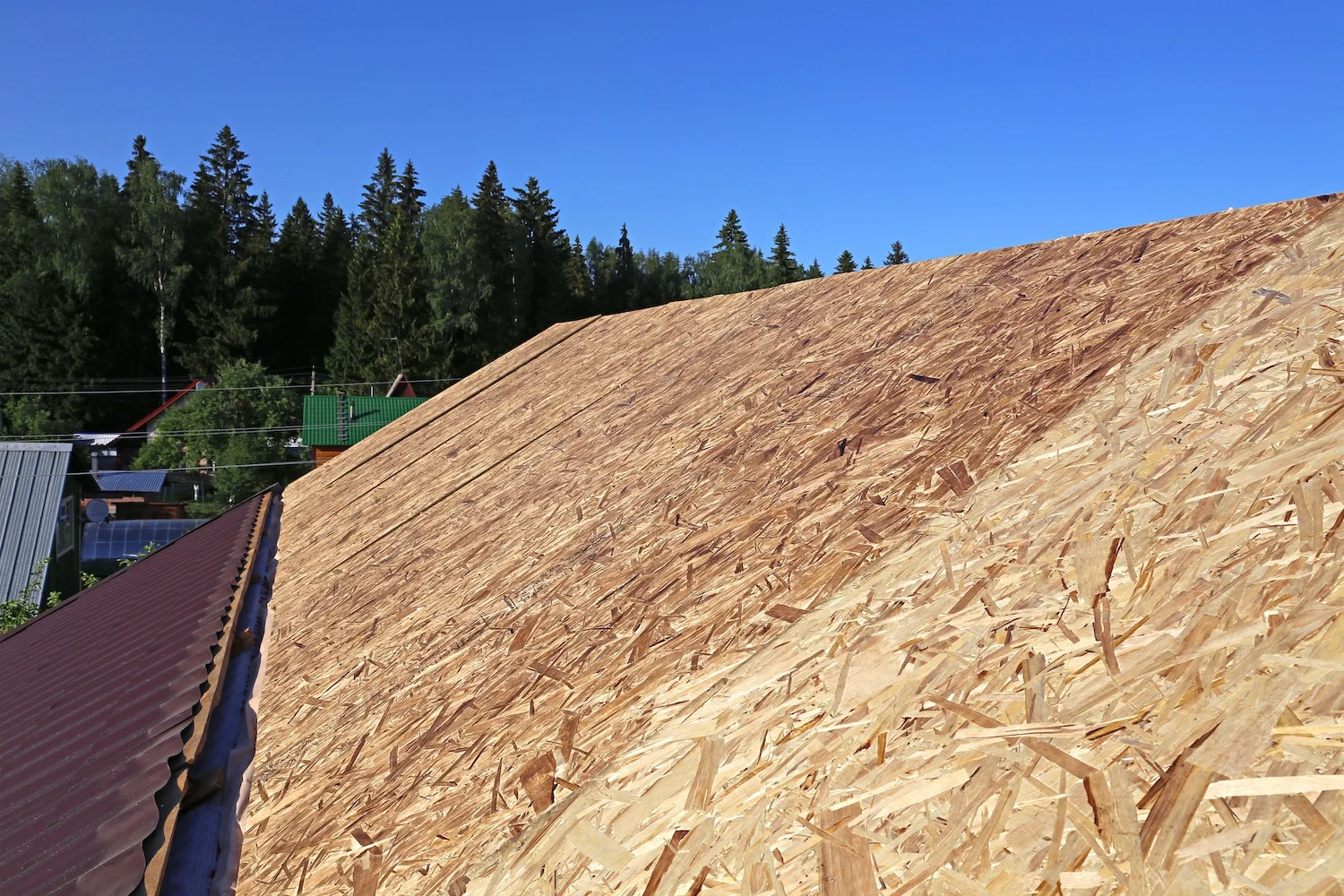
The plywood or OSB board beneath your shingles. If compromised by moisture or rot, it must be repaired or fully replaced before new shingles go on — skipping this leads to far bigger problems down the line.
Underlayment
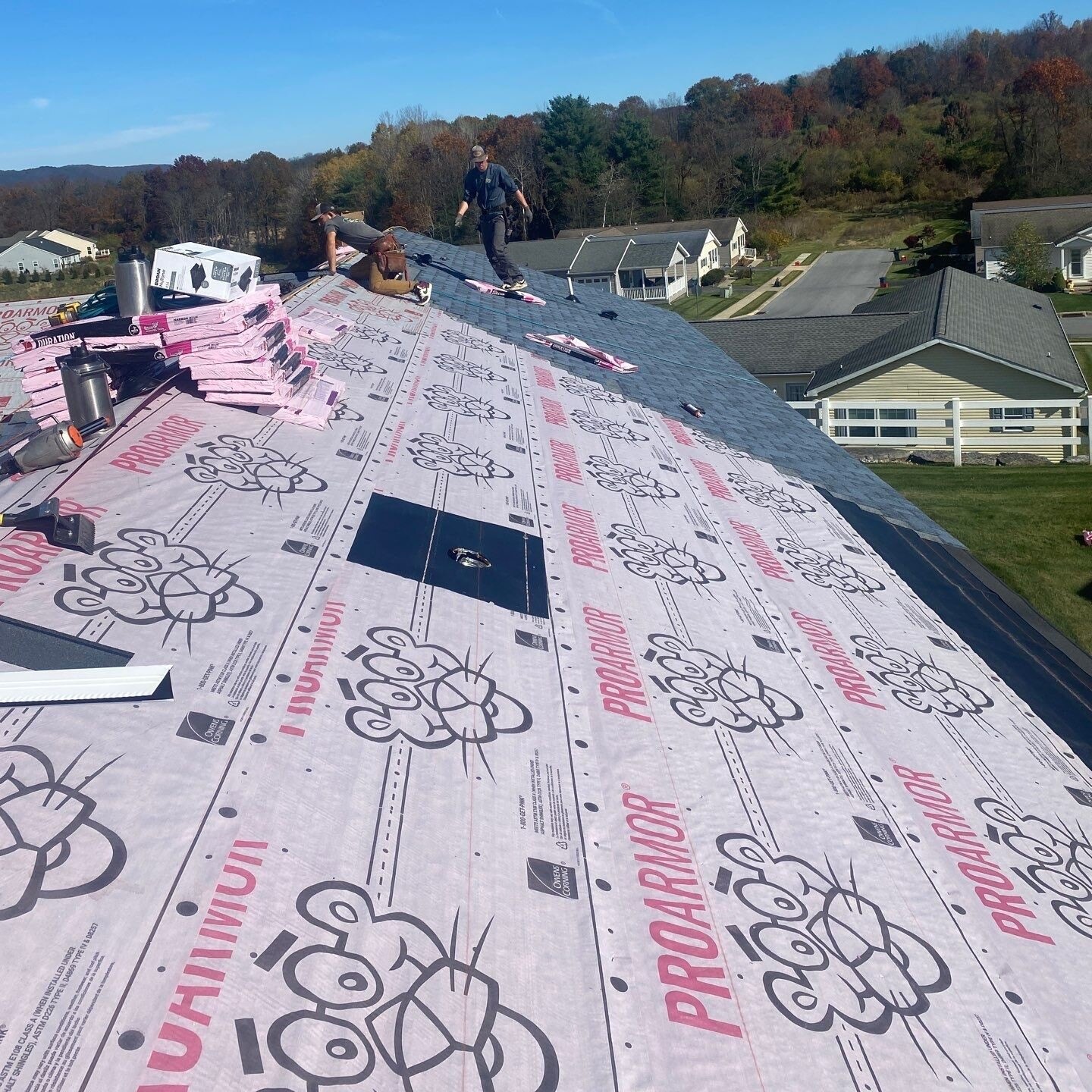
A moisture barrier installed directly on the roof deck, underneath the shingles. Today's standard is synthetic underlayment — lighter, stronger, and far more water-resistant than traditional felt paper.
Metal Flashing
Installed around chimneys, skylights, walls, and edges. Every penetration is a potential leak point — proper metal flashing is non-negotiable for any quality installation.
Pipe Boots & Duct Collars
Seal around all roof penetrations — pipes, vents, and ducts. Cutting corners here is one of the most common causes of post-installation leaks. Always ask if these are included in the scope.
Ridge Cap & Ventilation
The ridge cap runs along the very peak of your roof and it isn't just decorative. It must meet code and allow hot air to escape from the attic through proper ventilation.
A poorly installed ridge cap traps heat, raises your energy bills, and shortens the life of your entire roofing system. Always make sure your contractor addresses ventilation as part of the scope — not as an afterthought.
The Roofing Material
Shingles, tile, metal, or flat membrane — the outermost layer. In SoCal, your material must meet California Title 24 SRI requirements depending on your climate zone.
Synthetic vs. Traditional Felt (Tar Paper)
Underlayment is the moisture barrier installed directly on your roof deck, underneath the shingles. For decades, the standard was #30 felt paper — commonly called tar paper. It gets the job done, but it's heavy, tears easily during installation, and degrades faster in SoCal's heat.
#30 Felt Paper (Tar Paper)
- Heavy — harder to handle during installation
- Tears easily during installation process
- Degrades faster in SoCal's high heat
- Minimal UV protection when left exposed
- Lower water resistance than modern alternatives
- Lower material cost upfront
- Widely available, decades of use
Synthetic Underlayment — Recommended
- Lighter — easier and faster to install correctly
- Stronger — resists tearing during installation
- Significantly more water-resistant than felt
- Better UV protection when left exposed temporarily
- Holds up better in SoCal heat between tear-off and shingle installation
- Longer lifespan under shingles
- Standard for all quality roofing jobs today
Today, most quality roofing jobs use synthetic underlayment instead. Synthetic is lighter, stronger, and significantly more water-resistant than felt. It holds up better during installation — especially important in Southern California where a roof can sit exposed between tear-off and shingle installation. It also lasts longer and provides better UV protection if a section is left uncovered temporarily. If your contractor is still quoting felt paper as standard, it's worth asking why.
Choose the Right Material for SoCal's Climate
Price varies significantly by brand, shingle grade, and color. Here's what you need to know before making a decision.
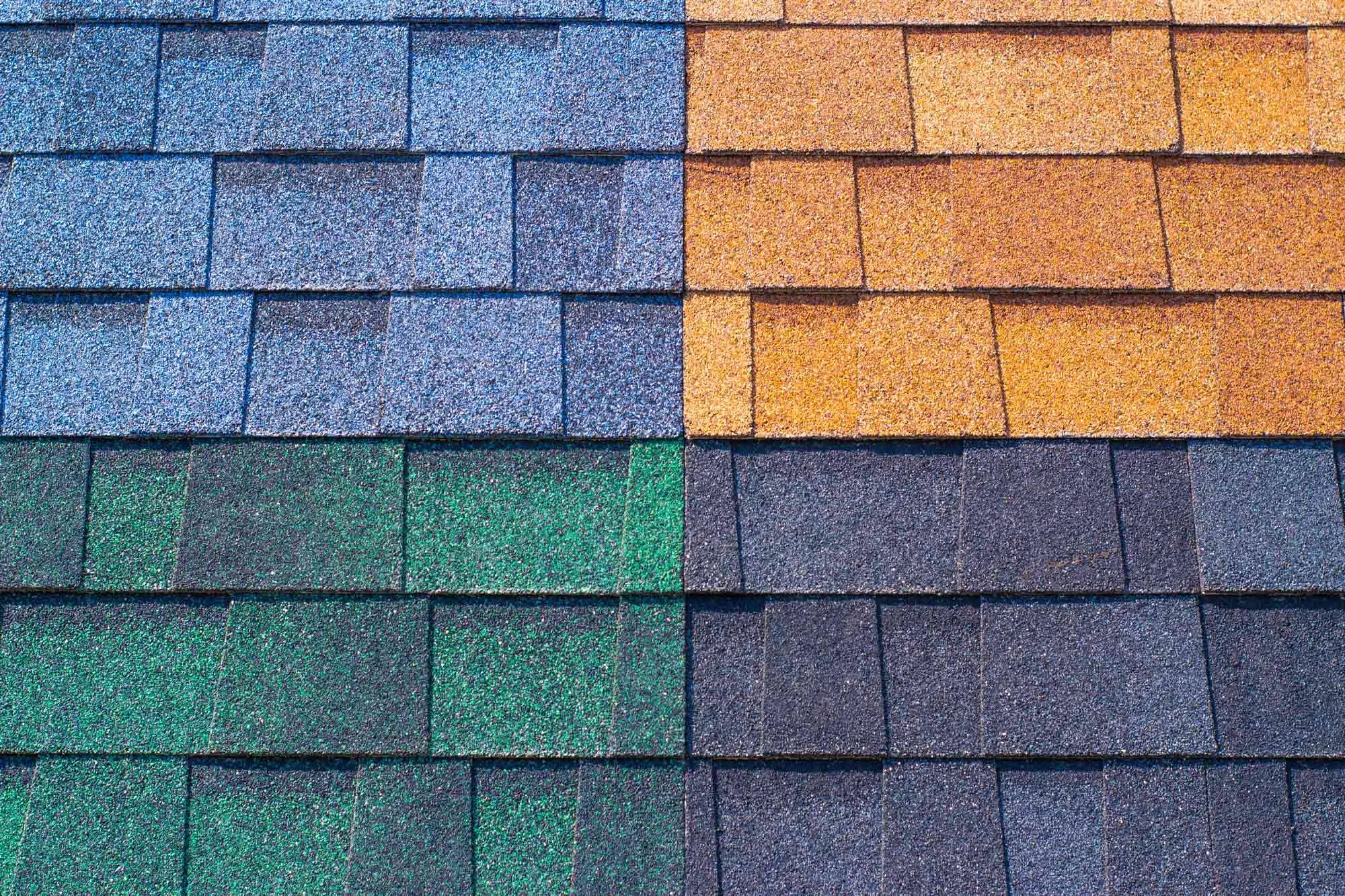
Asphalt Shingles
The most common and affordable option. Asphalt shingles typically last 25–30 years and come in a wide range of colors and styles.
GAF — One of the largest manufacturers in the US. Their California Cool®️ line is widely available at mid-to-premium pricing with strong warranty options.
Owens Corning — Known for durability and a broad product line. Their Duration Cool series is competitive across price tiers.
IKO — A solid option for budget-conscious projects with solid performance ratings.
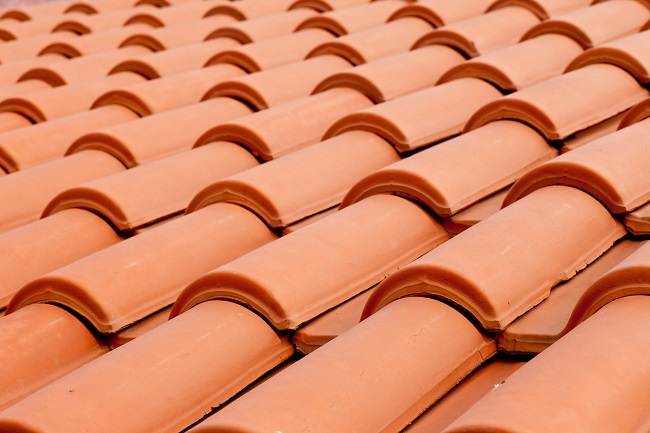
Clay & Concrete Tile
The go-to choice for SoCal homes. Tile is fire-resistant, built for hot dry climates, and can last 50+ years. It costs more upfront but holds up exceptionally well in our climate. It also naturally meets cool roof energy requirements due to its airspace installation method.
50+ year lifespan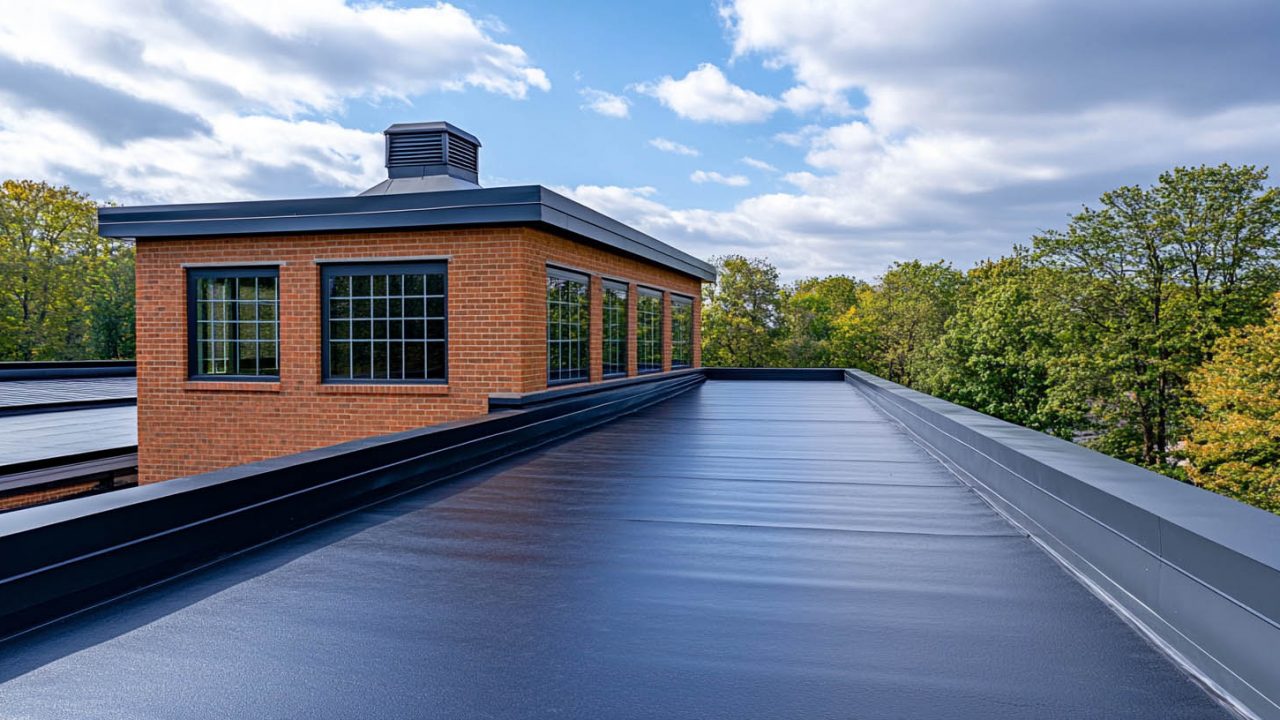
Flat Roofing
Common in modern and commercial-style homes. Flat roofs use materials like TPO, modified bitumen, or foam coating. They require more maintenance than sloped roofs, particularly around drainage and seams where leaks most commonly occur.
TPO · Modified Bitumen · Foam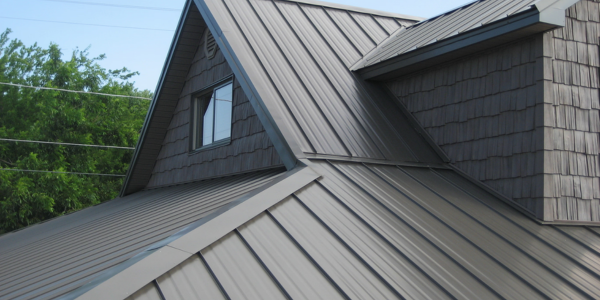
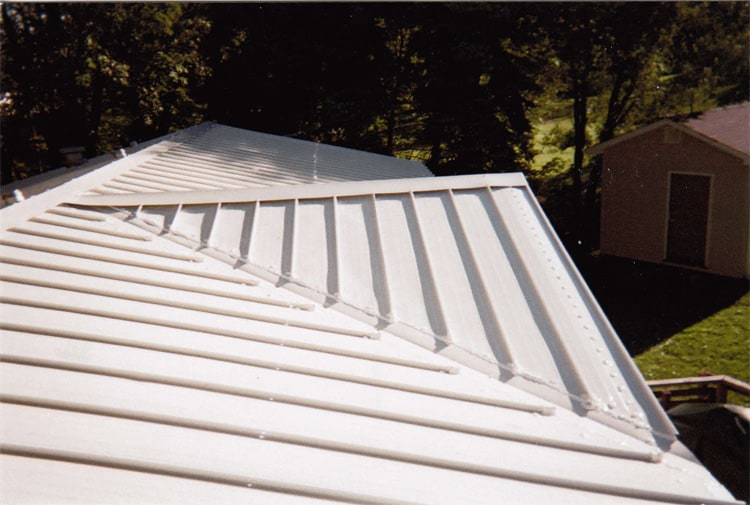
Metal Roofing
Increasingly popular for its longevity and energy efficiency. Metal roofs can last 40–70 years, reflect heat naturally, and hold up against wind and fire. Higher upfront cost, but very low maintenance over the long term.
40–70 year lifespanAt EverHome, roofing isn't just what we do — it's our specialty. That focus ensures every customer receives the highest level of service and craftsmanship, no matter the size or scope of the project. Whether you're looking for a cost-effective solution or a premium upgrade, our experienced team is here to help. With a strong reputation built across Southern California, we're trusted by homeowners to deliver durable, beautiful roofs that stand the test of time.
What Is SRI and Why Does It Matter in California?
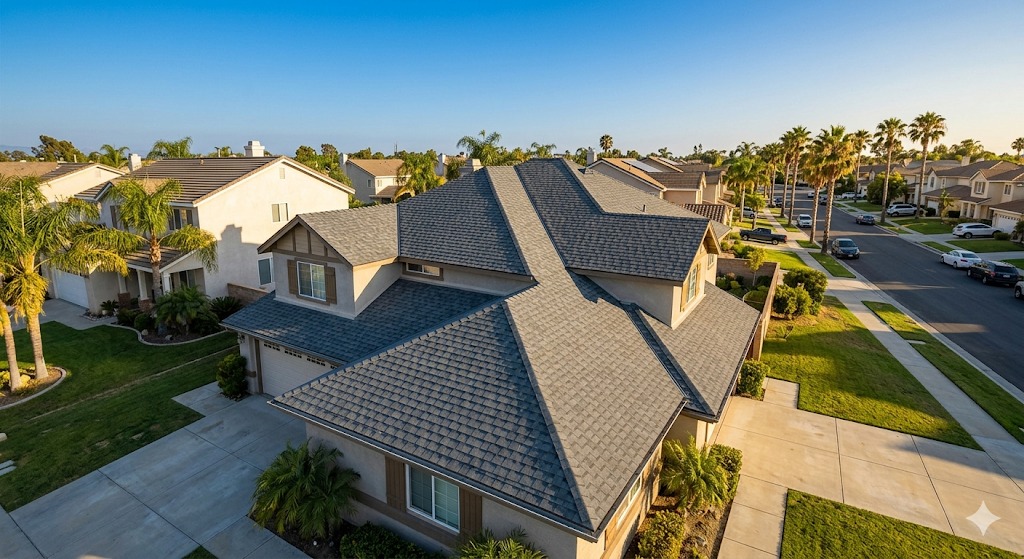
The Solar Reflective Index (SRI) combines a surface's solar reflectance and thermal emittance into a single score — the higher the SRI, the less heat the roof absorbs and transfers into your home.
SRI requirements vary depending on where you live. In Climate Zones 4 and 8 through 15 — which cover the Central Valley, Inland Empire, and most of Southern California — California's Title 24 energy code requires a minimum SRI-compliant cool roof when replacing more than 50% of your roof area or more than 2,000 square feet. Some cities like Los Angeles have their own stricter local standards on top of that. Other cities and climate zones may have no cool roof requirement at all.
Your contractor should know exactly what applies to your zip code before selecting materials. Shingles are independently rated by the Cool Roof Rating Council (CRRC) — always ask for the CRRC certification on any product being installed on your home.
If your project does require or qualify for cool roof materials, always check what rebates and grants are available in your area. Utility programs, local government incentives, and state programs can significantly offset the cost. Your EverHome contractor will walk you through every program you qualify for before the job starts.
What Are You Actually Paying For?
This is where most homeowners get confused. A proper roofing quote should always specify exactly what's included.
Redeck vs. Wood Damage Repair
The roof deck is the plywood or OSB board beneath your shingles. If it's been compromised by moisture or rot, it needs to be repaired or fully replaced before new shingles go on. A full redeck adds significant cost to the job — but skipping it leads to far bigger problems down the line. Make sure your contractor inspects the deck and clearly spells out what's included in the quote.
Roof Pitch & Safety
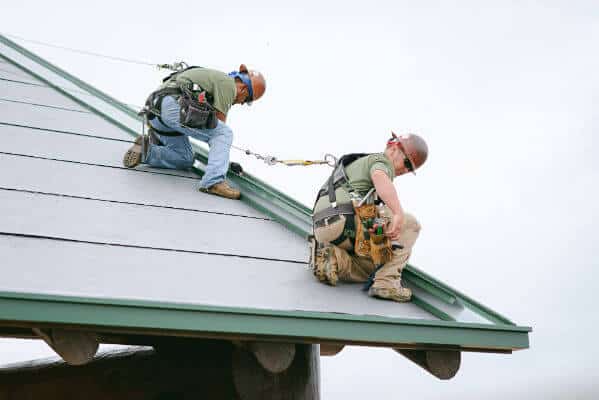
The steeper your roof, the more complex and dangerous the job. Crews working on steep pitches must be roped and harnessed — this increases both labor cost and liability insurance requirements. A low-pitch roof may cost significantly less per square than a steep one, simply because of the safety requirements involved. This is a legitimate cost factor, not a markup.
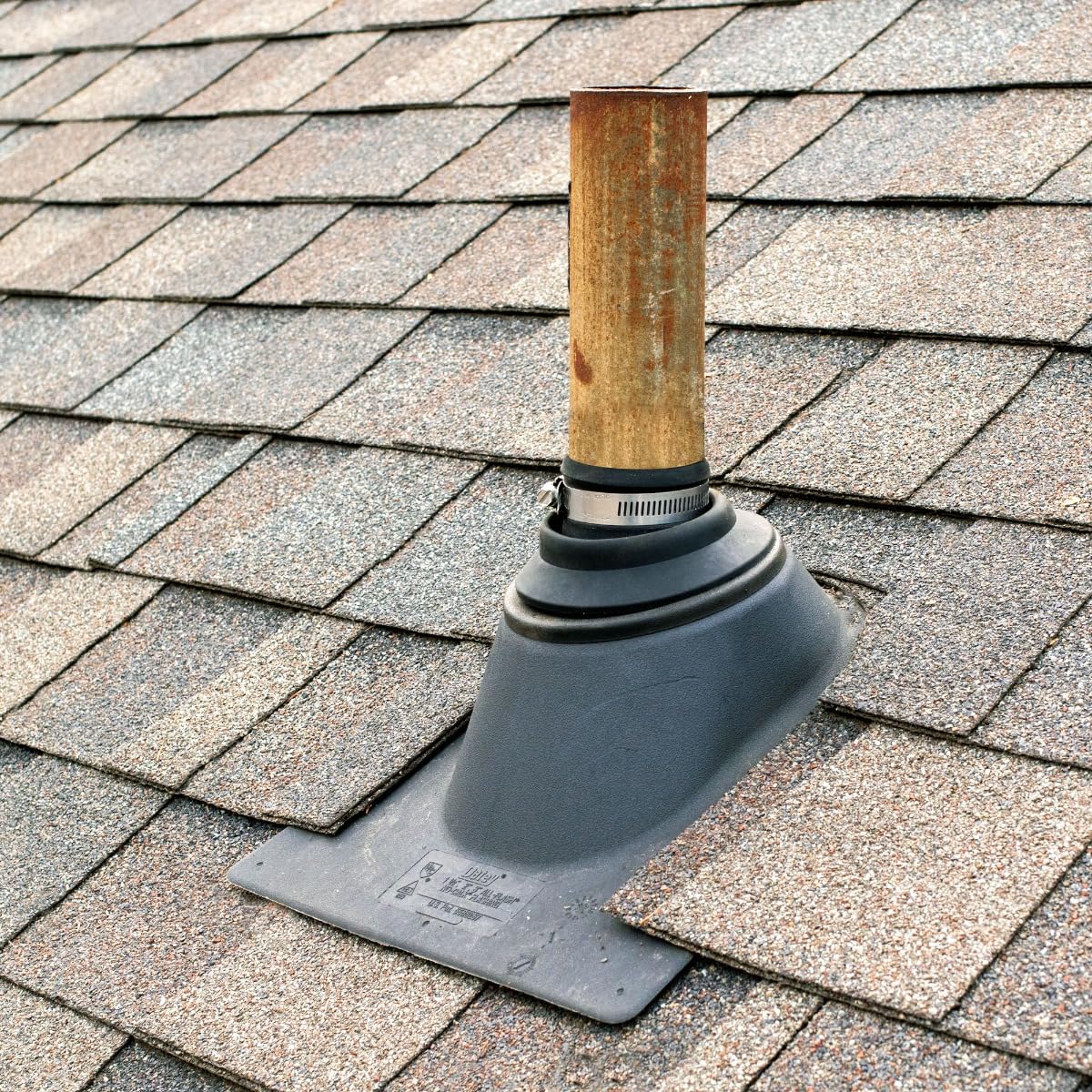
Metal Flashing, Pipe Boots & Duct Collars
Every penetration in your roof — pipes, vents, ducts, and chimneys — is a potential leak point. A proper installation always includes new metal flashing and correctly sealed pipe boots and duct collars. If a contractor doesn't mention these in their scope, ask. Cutting corners here is one of the most common causes of post-installation leaks.
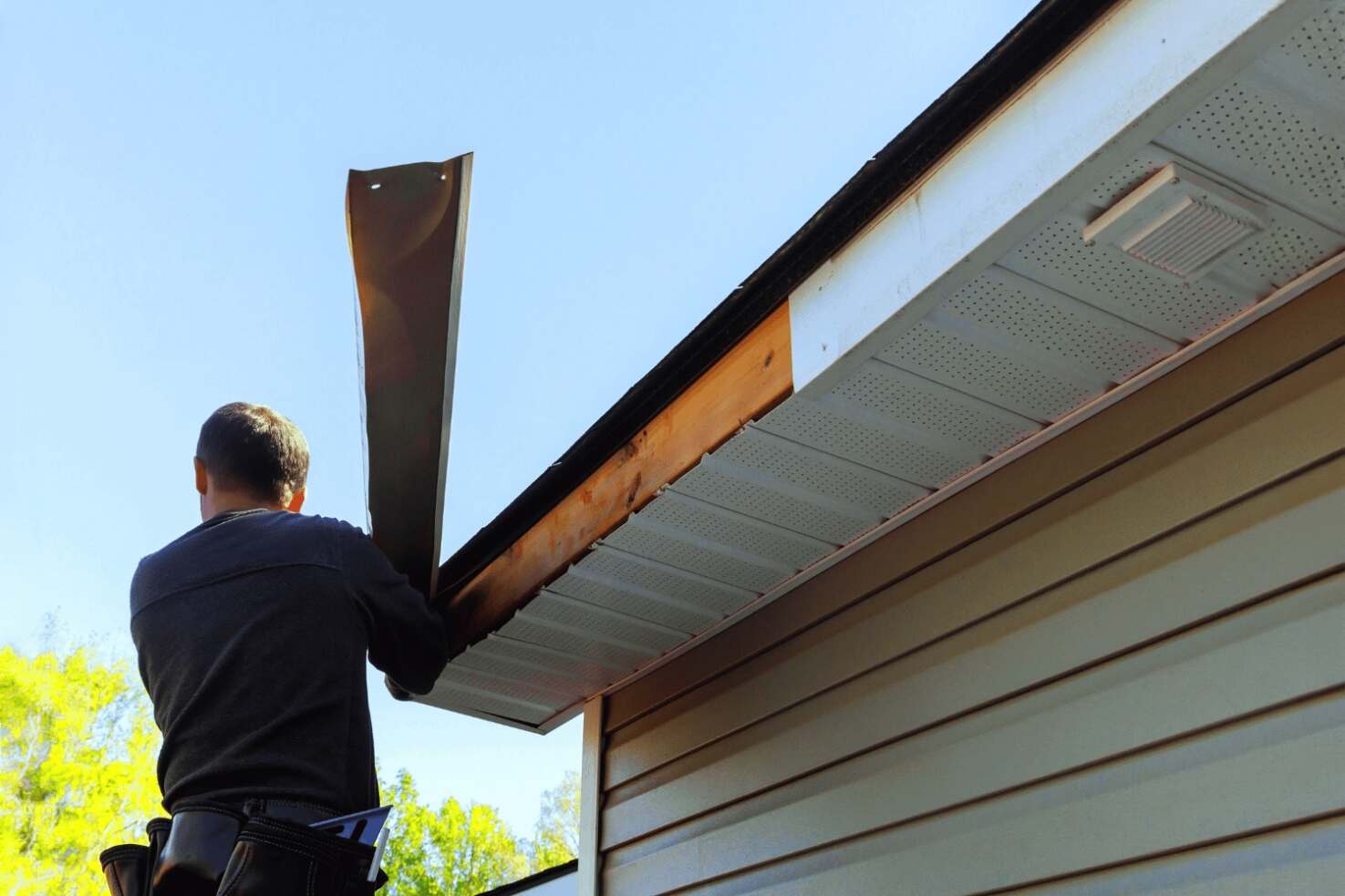
Fascia Boards
Fascia boards run along the edge of your roof and support your gutters. If they're rotted or damaged, they should be repaired or replaced during the roofing job.
Important: If your home was built before 1978, fascia boards may contain lead paint or other hazardous materials and must be tested before any work begins. While the contractor is already on site, this is also the ideal time to check for mold or termite damage — inspections are far easier and less expensive when the roof is already open.
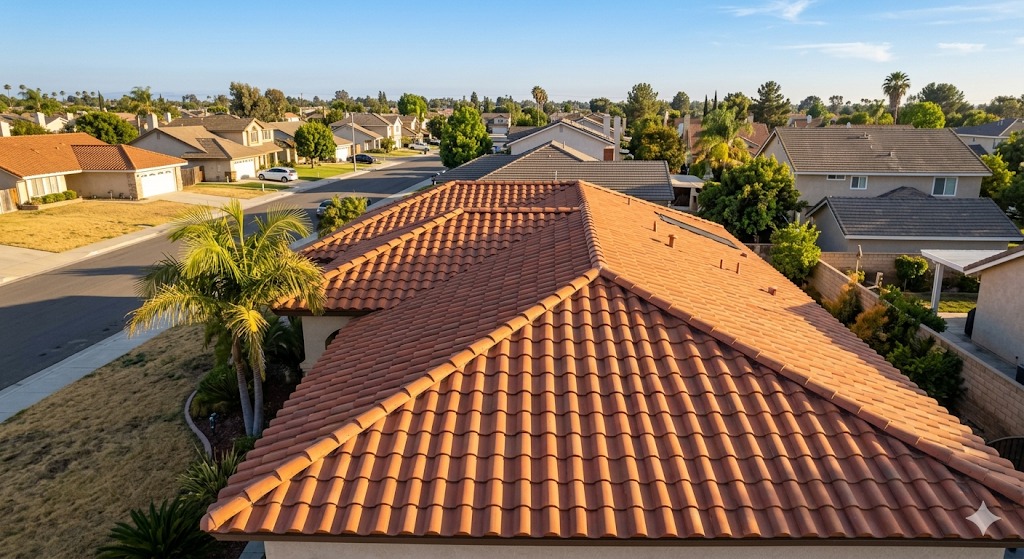
Premium New Roofing Systems
We value high-end craftsmanship and stunning products. Take a look at our gallery section to see some examples of our past projects.
Protect Your Investment from Water Damage
Most homeowners don't think of gutters as part of their roof — but they are critical to its longevity. Gutters channel rainwater away from your fascia boards, foundation, and siding.
When they're clogged, damaged, or improperly pitched, water backs up under the roofline, accelerates wood rot, and can compromise the roof deck over time — undoing everything you just invested in.
Best Time to Address Gutters
When you're already investing in a new roof, it's the smartest time to inspect or replace your gutters. The fascia is exposed, the crew is on site, and adding gutters to the scope is far less expensive than dealing with water damage later.
Proper Slope & Pitch
Make sure gutters are properly sloped and securely fastened so water drains effectively rather than pooling and causing overflow damage to your fascia and foundation.
Downspout Placement
Downspouts must direct water at least 6 feet away from your foundation. Improper downspout placement is one of the most common — and most preventable — causes of foundation damage.
Expert Processes from Our Roofing Installation Company
Our success comes from a proven, customer-focused process that delivers exceptional results every time.
You May Qualify for Financial Assistance
You may qualify for financial assistance on your roofing project. Availability varies by city, income level, and the type of materials used — your EverHome contractor will help identify what applies to your situation.
Wildfire Resilience Grant
California has set aside $50 million for fire-resistant roof installations in high-risk areas, with grants of up to $15,000 for homeowners in CAL FIRE-designated zones.
Up to $15,000Weatherization Assistance Program (WAP)
A federal Department of Energy program that assists low-income homeowners with energy-efficient home improvements including roofing.
Up to $7,500Energy Upgrade California
A statewide program offering rebates for energy-efficient improvements including cool roofs, available through SCE and PG&E service areas.
Statewide RebatesLocal Utility Rebates (SCE / LADWP)
Depending on your service area and the SRI rating of your materials, utility rebates for cool roof installations can range from $500 to $3,000+.
$500–$3,000+PACE Financing
Property Assessed Clean Energy financing allows you to fund roofing upgrades with no money down, repaid through your property taxes.
$0 DownEverHome Financing
$0 down payment options available. Check if you qualify for government grants when you submit your project.
$0 Down AvailableProtect Your Home with a Roof Built to Last
Now that you know your roof, let EverHome match you with a licensed roofing specialist who knows Southern California code, uses quality materials, and gives you honest competing quotes.
GET MATCHED NOW